
Need help? Chat with us on WhatsApp!
Jordan is an established education market in the Middle East, with a strong emphasis on academic achievement and internationally recognised qualifications. Students and families consider overseas education for access to specialised degree programs, wider career opportunities, English-language development, and international academic experience.
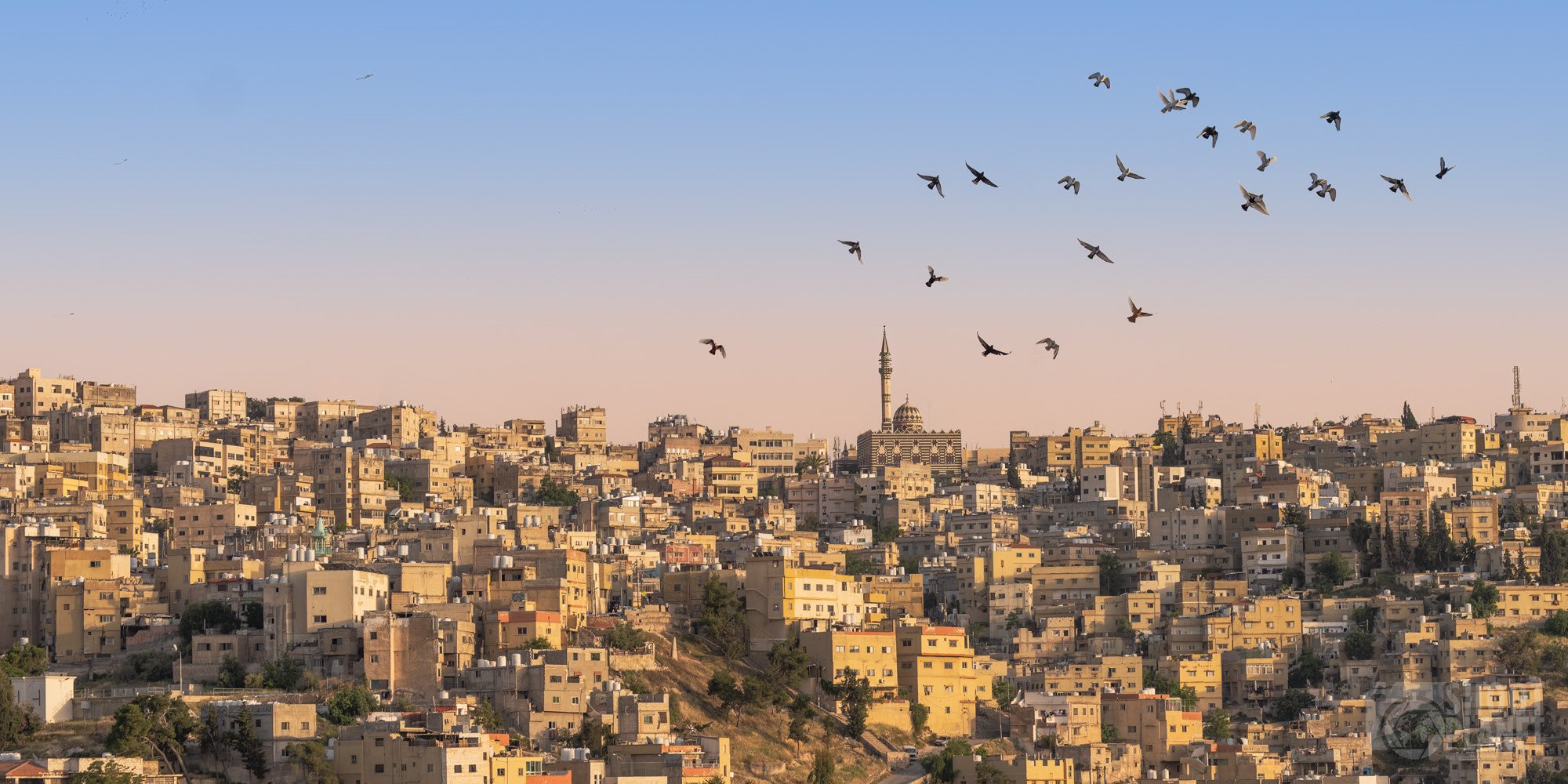
Amman, the country's capital and largest urban centre, is the natural focal point for international student recruitment. It brings together students from schools and universities, families exploring overseas study, and education advisers who help students navigate international admissions.
Exhibiting at UniConnect Expo Jordan gives international universities, colleges, language schools, and pathway providers the opportunity to meet prospective students and parents face-to-face, present their programs, explain admissions requirements, and discuss scholarships and tuition fees.
Jordan also offers access to a diverse student audience, including Jordanian nationals and families from other national backgrounds living in the country. By participating in UniConnect Expo Jordan, institutions can strengthen their presence in the Levant, develop local recruitment relationships, and connect with students seeking bachelor's degrees, postgraduate programs, English-language courses, foundation pathways, and international school opportunities.
Jordan's higher education system enrolled approximately 395,000 students in bachelor's programs, postgraduate studies, and community colleges in 2023, based on reported figures of 330,000 bachelor's students, 37,000 postgraduate students, and 28,000 community-college students.
UNESCO-based data reported 33,901 Jordanian outbound higher education students in 2023. Jordan's outbound mobility ratio was 8.94%, compared with an OECD average of 1.84% that year, indicating that overseas study is a meaningful part of the country's higher education landscape.
Jordanian students pursue education in Türkiye, the United States, Germany, Georgia, the United Kingdom, Malaysia, and other countries. Institutions can attract applicants by communicating program quality, affordability, scholarships, graduate outcomes, and international recognition.
Prospective applicants include secondary-school graduates, undergraduate students considering transfer or postgraduate study, and professionals seeking advanced qualifications. This creates recruitment opportunities across bachelor's, master's, doctoral, language, and pathway programs.
International institutions can promote courses in medicine, engineering, information technology, business, science, and other professional fields. Program recognition, accreditation, licensing requirements, and eligibility for professional practice should be clearly explained, particularly for regulated disciplines.
Personal interaction is valuable when families compare destinations, tuition fees, living costs, scholarships, admission requirements, and visa procedures. A student fair gives institutions an opportunity to address these questions directly and develop trust with prospective applicants.
Jordan's capital, Amman, provides a strategic location for institutions seeking to build recruitment relationships in Jordan and the wider region. Depending on event targeting, institutions may also engage international residents and students exploring cross-border education options.
Jordan has a well-established higher education sector and a long-standing tradition of international student mobility. Students pursue overseas qualifications for a variety of reasons, including access to specialised programs, international career opportunities, scholarships, and exposure to different academic environments.
According to the UNESCO Institute for Statistics (UIS), as reported by World Education Services (WES), 33,901 students from Jordan were enrolled in higher education abroad in 2023. Jordan's outbound mobility ratio was 8.94%, meaning that the number of internationally mobile students represented a notable share of its domestic higher education enrolment.
The following figures show selected destinations for Jordanian students pursuing higher education abroad. The figures refer to different years, depending on the latest available data for each destination.
The Jordanian market offers opportunities for institutions across multiple segments:
Recruitment of students completing secondary school and seeking internationally recognised bachelor's qualifications.
Master's degrees, MBAs, doctoral programs, and specialised professional qualifications.
Programs for students interested in medical and healthcare careers, subject to applicable recognition and licensing requirements.
General English, academic English, IELTS preparation, and language programs preceding university admission.
Preparatory courses for students who need to meet overseas university entry requirements.
Clear information on tuition fees, merit-based awards, funding opportunities, and the total cost of studying abroad.
Opportunities to engage families considering overseas secondary education, boarding schools, and summer academic programs.
Join UniConnect Expo Amman to meet prospective students, their families, and education advisers in one of the Levant's most established education markets.
Register Now